

There’s something truly grounding about the simple act of making homemade bread. For me, this Homemade Bread recipe became more than just a kitchen task on a day when quiet comfort was exactly what I needed. The slow rhythm of mixing, kneading, and watching the dough rise felt like a gentle pause, a way to nurture not only my body but also my spirit. It’s a nourishing practice that invites me to be fully present—each step a small but meaningful meditation in the flow of everyday life.
I’ve found that Homemade Bread, in its warmth and invitation, holds a space for mindful cooking and living. The very act of bringing together flour, water, and yeast mirrors the way we gather moments of calm and intention throughout our days. It’s a soul-deep kind of nourishment that goes beyond simple sustenance. Whether it’s the comforting aroma filling my kitchen or the soft texture of freshly baked bread just pulled from the oven, this recipe invites gentle care for the senses and for the heart.
If you’re new to bread baking or already cherish the process, I warmly invite you to move through this recipe with presence. Let its easy bread dough be a canvas for your own intuition. There’s no need to rush—this experience is about connection, calm, and creating a nourishing favorite that feels like a heartfelt gift to yourself and those you share it with. For more inspiration on mindful recipes, you might enjoy these gingerbread protein snacks that blend intention and taste beautifully.
Soulful Ingredients for This Homemade Bread:
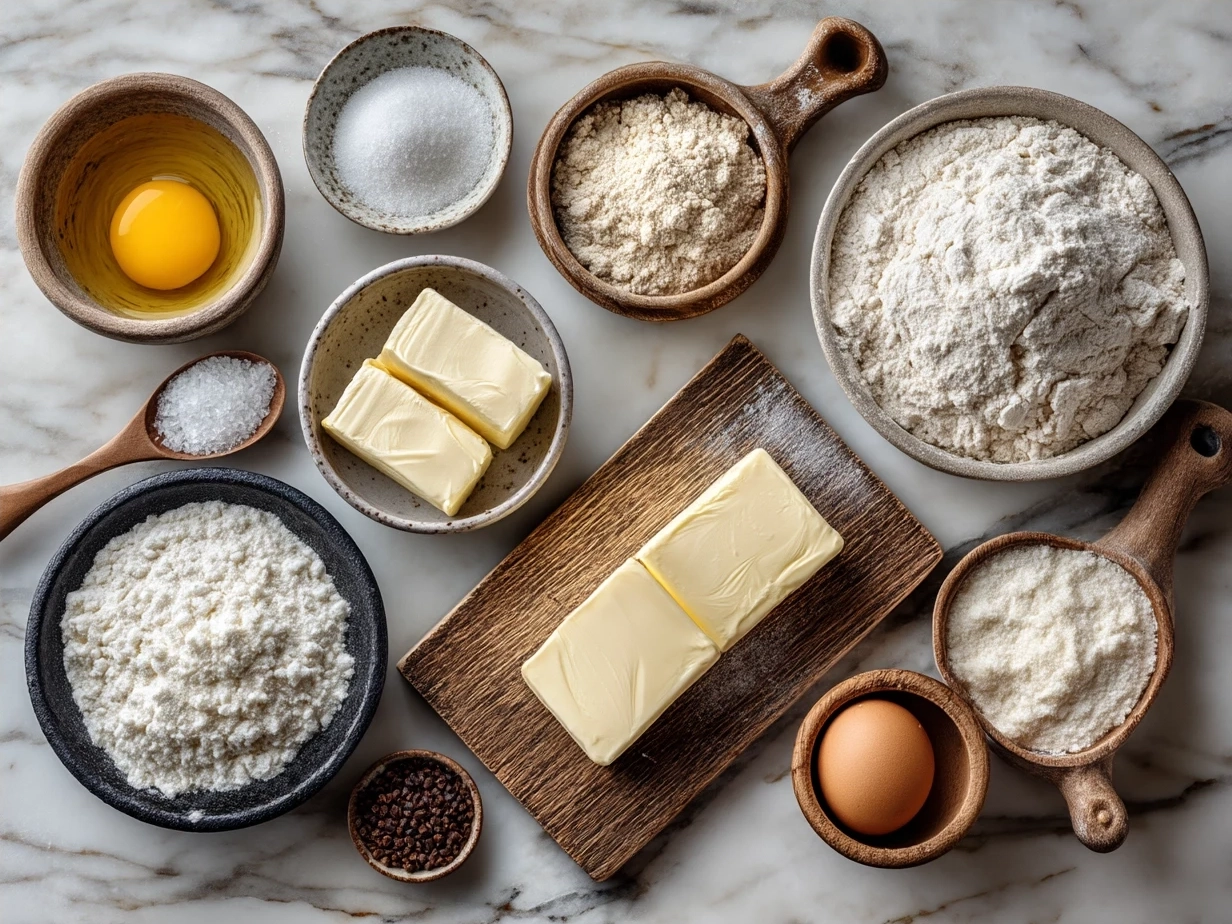
- 3 ½ cups (420g) all-purpose flour, preferably organic and locally sourced
- 1 ½ teaspoons fine sea salt (choose a mineral-rich salt to support wellbeing)
- 2 teaspoons active dry yeast, a simple and reliable choice for a comforting rise
- 1 ¼ cups warm water (about 75°F/24°C), temperature matters for gentle yeast awakening
- 1 tablespoon olive oil for softness and a touch of earthy richness
Prefer whole wheat flour? It offers similar nourishing qualities and deeper fiber content, nourishing your gut and grounding this Homemade Bread in wholesome goodness. If you love the tang of homemade sourdough, you can use a starter instead of commercial yeast—a soulful alternative that requires a bit more patience but gifts your bread with depth and character. For guidance on homemade sourdough, this beginner’s guide shares gentle steps to get started.
In making this Homemade Bread, I always take a moment to appreciate the humble ingredients coming together. Choosing local and organic when possible creates a ripple of care—from the field to your hands. Preparing these ingredients thoughtfully feels like a quiet act of love, helping you stay mindful and attuned.
When storing your bread, let it rest wrapped in a clean linen cloth to maintain breathability and softness. A plastic bag can trap moisture, making the crust less crisp over time. If your Homemade Bread lasts longer than a day or two, freezing slices helps preserve freshness—just remember to thaw mindfully.
These ingredients come together in this Homemade Bread to create something truly nourishing on multiple levels. From the simple flour representing grounding energy, to the yeast’s gentle fermentation, this recipe invites you to connect deeply with your food and the simple pleasure it offers.
Creating Your Homemade Bread with Presence:
- Begin by gently combining your dry ingredients—the flour, salt, and yeast—in a large bowl. Notice the texture of the flour as it slips through your fingers and the fine grains of salt shining softly. This step invites you to slow down and really touch your ingredients with intention.
- Add the warm water and olive oil slowly. Use your hand or a wooden spoon to bring the mixture together. Feel the transformation from separate parts into a unified dough—a tactile meditation of connection and transformation. If the dough feels too sticky or dry, trust your hands to adjust with a touch more flour or a splash of water.
- Knead your easy bread dough gently on a lightly floured surface for about 8-10 minutes. This is one of my favorite parts—a moment of mindful movement. Feel the elasticity build beneath your palms and the dough soften with your care. Let this action ground you in the present. If your dough feels resilient but not tough, you’re right on track.
- Place the dough in a lightly oiled bowl and cover it with a clean cloth. Set it somewhere warm and quiet to rise. The waiting, often about 1-2 hours, is where the magic happens, so I encourage you to take your time here. During this rest, notice the comforting aroma growing in your kitchen. Perhaps brew a cup of tea or simply breathe deeply, honoring this quiet interlude.
- After the dough has doubled in size, gently shape it into your chosen form. Whether a round boule or a rustic loaf, allow your fingers to mold with care, embracing imperfection as part of the journey. If you enjoy an artisan bread recipe feel, scoring the top before baking creates a beautiful, soulful crust.
- Bake in a preheated oven at 450°F (230°C) for about 25-30 minutes, depending on your loaf size. The kitchen fills with that warm, homey scent that signals care and comfort. As the crust turns golden, remind yourself this nourishing favorite was created one mindful step at a time.
- Cool your Homemade Bread on a wire rack before slicing. This pause lets the interior settle, inviting you to wait with gentle patience. When you finally cut in, savor the soft crumb and steaming warmth as a gift from your hands to your body.
This Homemade Bread comes together in about three hours total, but I joyfully encourage you to embrace the timing that feels right. If your dough looks a bit different from mine, trust the process and your senses—they guide you well.
For tips on artisan bread recipes and further mindful baking techniques, you might appreciate this reflective guide from Artisan Bread in Five Minutes a Day. Baking is a conversation with time and texture, and each loaf carries your unique story.
Nourishing with Your Homemade Bread:
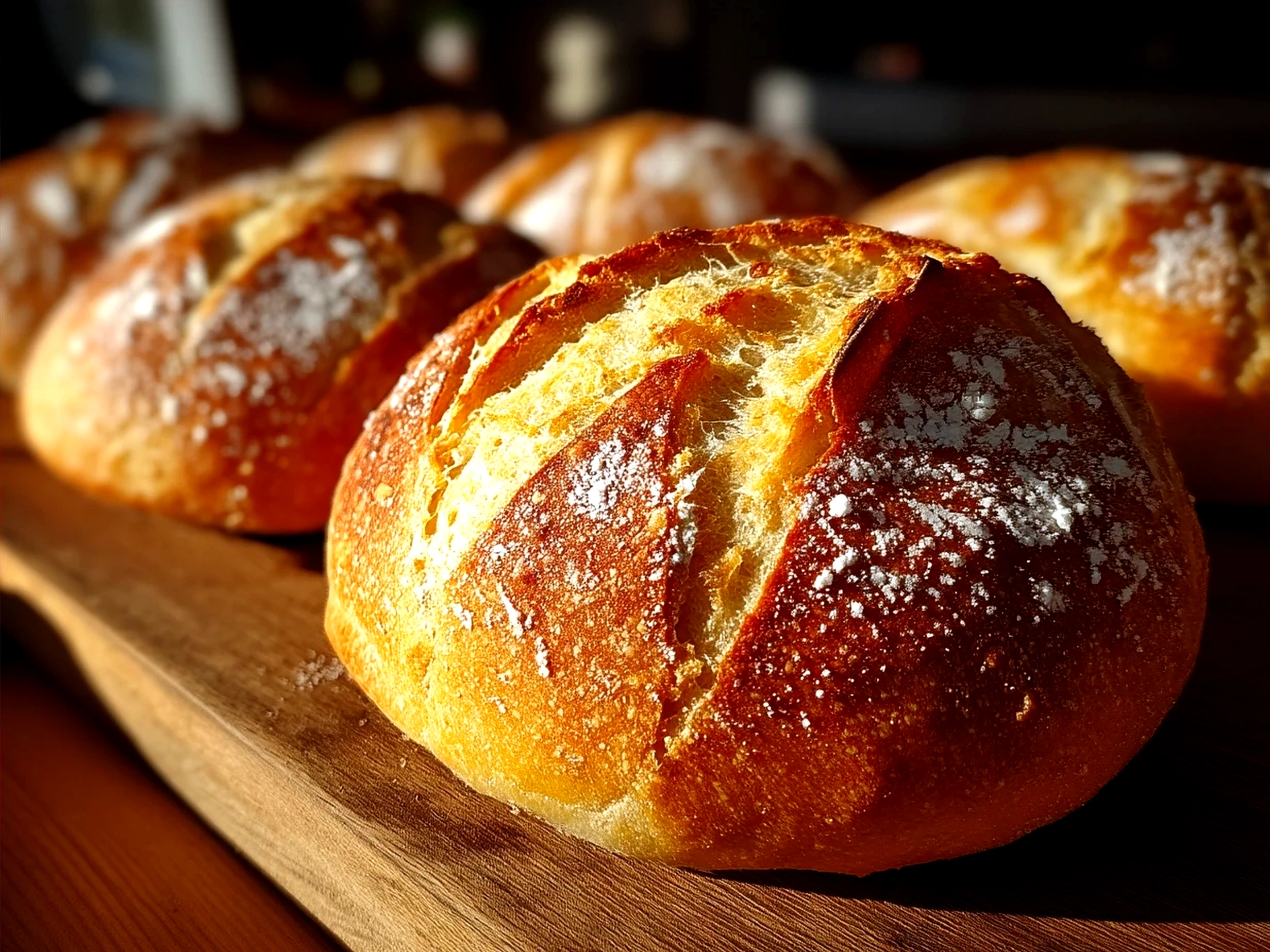
There’s a special grace in serving Homemade Bread with presence. I love breaking off a piece during quiet mornings, savoring it with a swipe of creamy butter and a sprinkle of sea salt. Paired with a simple tomato salad or a bowl of warm soup, freshly baked bread brings a soulful hug to the meal.
For moments shared with loved ones, this Homemade Bread feels like an invitation—good food opening space for connection. It’s perfect for gatherings where the conversation lingers and the day slows down. Presenting your bread warmly wrapped in a linen cloth adds a mindful touch, reminding everyone this food was made with care.
Leftovers transform beautifully too. Toast slices gently and top them with avocado, honey, or your favorite nut butter for an easy, nourishing snack. For seasonal variations, you might add fresh herbs or a touch of whole grains during preparation, dancing gently with the flavors of your life’s current season.
This Homemade Bread truly nourishes when served with presence and appreciation. Friends and family often tell me how the simple pleasure of this bread brings not just fullness but warmth to their tables and hearts.
If you’re curious about pairing ideas or mindful presentation, this artisan bread recipe from Alexandra’s Kitchen offers soulful inspirations that complement the heart of homemade bread beautifully.
Gentle Guidance for Your Homemade Bread:
How can I make this Homemade Bread preparation more mindful?
Try setting a timer not to rush but to honor each phase. Use the waiting moments to breathe or journal a simple gratitude. This tenderness turns bread making into self-care.What’s a nourishing alternative to all-purpose flour in this Homemade Bread?
Whole wheat or spelt flour offer wholesome swaps with richer flavors and fiber. Start with a 50/50 mix to gently acclimate your dough and your palate.How can I adapt this Homemade Bread for different energy needs?
If you feel low on energy, try a shorter kneading time—sometimes simply mixing the dough and letting it rise slowly in the fridge overnight invites deep, slow fermentation. When energy is high, knead attentively to engage more fully in the process.What should I do if my easy bread dough seems too sticky?
Add flour slowly, a tablespoon at a time, and knead gently. Sticky dough is often a sign of promise—it holds moisture that leads to soft crumb. Trust your fingers to find the right balance.Can I make this Homemade Bread using a homemade sourdough starter?
Absolutely. Using homemade sourdough brings a soulful rhythm all its own, inviting patience and presence. For a beginner’s perspective on homemade sourdough, this guide at The Clever Carrot offers gentle encouragement.How do I store my Homemade Bread to keep it fresh?
Wrap your loaf in linen or a breathable bag to retain moisture without sogginess. If you freeze it, thaw slices slowly for best texture and warmth.What variations honor different seasons or intentions?
Adding seasonal ingredients like rosemary in spring or a sprinkle of cinnamon in fall can enliven your bread with gentle seasonal signals. You might also swap olive oil for walnut oil for a nutty depth that feels cozy and grounding.
In my experience, each loaf shaped with intention connects me more deeply to the cycle of nourishing and being nourished. Whether your kitchen is filled with the scent of freshly baked bread or the quiet shape of a rising dough, this simple recipe becomes a humble ritual of care.
Heartfelt Reflections on This Homemade Bread:
This Homemade Bread has found a cherished place in my recipe collection because it offers so much more than food. It invites me to slow down, to feel fully present, and to connect with the source of my nourishment. Each loaf carries a gentle message about patience, simplicity, and kindness—toward myself and those who share in its warmth.
Heartfelt Tips for This Homemade Bread:
- Take your time with each step; mindful bread baking is about the process as much as the result.
- Use ingredients you trust and love, honoring their origins and qualities.
- Pause at each rise to breathe in gratitude for the quiet transformation happening before you.
I cherish these variations: a homemade sourdough version that encourages deep patience, an easy bread dough with added herbs for subtle complexity, and a whole wheat adaptation that feels grounding and rich.
For me, the homemade sourdough feels most nurturing during reflective days, when I lean into slow, soulful rhythms. Yet, the fast, easy bread dough comforts on busy mornings or when I simply want to create warmth quickly.
Friends on this journey, I encourage you to make this Homemade Bread your own. Trust your intuition, listen to your senses, and allow this recipe to fold gently into your life. May you feel the heartwarming joy that comes from creating food that truly nourishes body, daily rhythms, and your connections.
If this Recipe sings to your heart, also consider learning from experienced bakers with artisan bread recipes like those shared by Alexandra’s Kitchen and the Artisan Bread in Five Minutes a Day series. The path to homemade sourdough is a beautiful adventure in presence—full of honest learning and soulful discoveries.
With warmth and care,
Fiola Bennett
Homemade Bread

This homemade bread features a soft, golden crust and a chewy, airy interior—perfect for sandwiches or as a side to any meal.
- Prep Time: 15 minutes
- Cook Time: 35 minutes
- Total Time: 1 hour 45 minutes
- Yield: 1 loaf (8 servings)
- Category: Dinner
- Method: Baked
- Cuisine: American
Ingredients
- 4 cups all-purpose flour
- 1 packet (2 1/4 tsp) active dry yeast
- 1 1/2 cups warm water (110°F)
- 2 tbsp sugar
- 2 tbsp olive oil
- 1 1/2 tsp salt
Instructions
- In a small bowl, dissolve sugar in warm water and sprinkle yeast on top. Let it sit for 5-10 minutes until foamy.
- In a large bowl, combine flour and salt. Make a well in the center and add the yeast mixture and olive oil.
- Mix until dough forms, then knead on a floured surface for about 8-10 minutes until smooth and elastic.
- Place dough in a greased bowl, cover with a damp cloth, and let rise in a warm place for 1 to 1 1/2 hours, or until doubled in size.
- Punch down the dough and shape into a loaf. Place it in a greased loaf pan or on a baking sheet.
- Cover and let rise again for 30-45 minutes.
- Preheat the oven to 375°F (190°C). Bake the bread for 30-35 minutes until golden brown and sounds hollow when tapped.
- Remove from oven and cool on a wire rack before slicing.
Notes
For extra flavor, brush the top with melted butter right after baking or add herbs like rosemary to the dough.